


Kitaro Album: «Astral Voyage»
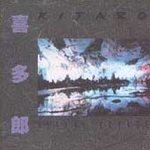
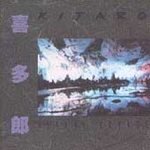
Kitaro Album: «Astral Voyage»
- Customers rating: (5.0 of 5)
- Title:Astral Voyage
- Release date:1989-03-09
- Type:Audio CD
- Label:Dgc/Geffen/Reunion
- UPC:020642408224
Astral Voyage was first released in Japan in 1978 under the title Ten Kai (the original LP also gave the English title of Astral Trip). This album got released in the United States in 1985 with the the slightly altered Astral Voyage title (but doesn't matter since "Ten Kai" pretty much translates the same), when he was signing up with Geffen Records to break through the American market. The cassette version has this gold print with the album title and artist name printed on the plastic casing itself, so if you own the Geffen cassette and don't have the print on the casing, you probably have a version where someone replaced the casing (after all cassette casings do have a habit of breaking even if just dropped by accident). Prior Ten Kai, Kitaro was a member of a prog rock band called Far East Family Band, in which he was going under his real name, Masanori Takahashi. The group released The Cave: Down to the Earth (1975), the English-language version called Nipponjin (1975, which also omitted a couple of songs in favor of a song from a band called Far Out, which was one of Kitaro's bandmate's previous bands) and Parallel World (1976) before jumping ship for a solo career. Far East Family Band continued for one more album without him and with a shortened and altered lineup for the album Tenkujin (1977).
Although I've seen sources that states that Oasis was his debut and released in 1976, it was actually a 1979 release, so Astral Voyage (Ten Kai) was actually his first. In my opinion, this is perhaps one of his less New Age-y, more experimental albums. He really created some really nice and interesting Moog sounds, plus he tended to use a lot of Solina string synths here. There's also use of acoustic guitar and sitar, and he does tend to explore some World music here, when he does, it (unsurprisingly) has a strong Asian feel. One cut has Koto, with an obviously Japanese feel (meaning Kitaro was exploring his Japanese roots there, no surprise), to another more Chinese-influenced number. But throughout all that, the synthesizers are quite present and the album is quite electronic. It's too bad this album really gets overlooked. He never even bothered to perform any of this live (his 1980 album In Person Digital only bothers with the Silk Road and Oasis albums), or include any of this stuff on compilations. Great stuff and if you can get a copy, it's really worth it.
This 1978 release by Kitaro is very relaxing, yet has a bit of an edge to it that I normally associate with 1970s electronica and perhaps some progressive music too.
I liked the blend of analog synthesizers and world music - it all sounds natural and organic. Kitaro also plays bass on the album and there is a nice assortment of drums and percussion instruments that lend an earthy feel to the music. I like the spacey passages the best.
This version of the CD has not been remastered but sounds pretty good. The CD booklet is sparse and cites the musicians and other recording credits.
All in all, this is a nice album that successfully merges the artiness of 1970s electronic with world music. This album is recommended along with Tun Huang (1980).
I owned this on cassette tape back in the late 1980's. I wore it out. My favorite Kitaro CD...not as "New Agey" as much of his other work. Spacey, ambient, relaxing, just right. Good one to have in your collection.
Of course, my wife and I are prejudiced when it comes to Kitaro music. We absolutely love this guy. We had Astral on on old cassette tape. The tape wore out...literally. We were delighted to find a CD on Amazon, and ordered it immediately. The product was as specified. The service was superb.