


Disco de Tangerine Dream: «Tyger»
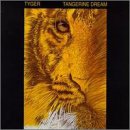
Disco de Tangerine Dream: «Tyger»
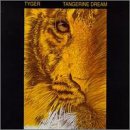
- Título:Tyger
- Fecha de publicación:2000-03-21
- Tipo:Audio CD
- Estilo musical:Electronic, New Age / Meditation, Pop, Pop/Rock Music, Prog-Rock/Art Rock
- Sello discográfico:Castle - Old Numbers
- UPC:602923657721
- 1Tyger
- 2London
- 3 Alchemy Of The Heartimg 12:25
- 4Smile
- 521st Century Common Man, Pt. 1
- 621st Century Common Man, Pt. 2
- 7Vigour [*]
Reguardless, I recommend TYGER to folks looking for something unique. It was the last TD studio album with the great Christopher Franke(TD's sound was never the same for me afterwards). The intro the the song "Smile", most likely Franke's baby, is classic TD. (But then that lady tries to sing barratone for a few words, it sounds forced.)
The title track works best in mergeing the vocals with the text with music, overall. The album concludes with "21st Century Common Man" parts one and two, and while they feel out of place with the rest of the album, they have an energy that's fun.( It's GREAT fun listening to those tracks while takeing a nocturnal highway drive. Preferrably with a convertable.)
Not quite vintage TD, but the last of what I would call from their "classic" years. ( 71-87 )
The vocalist throughout is guest R&B star, Jocelyn Bernadette Smith, who, it must be said, has a very powerful and beautiful singing voice, and is a joy to listen to. While she does quite a good job of difficult stuff, here, I find these tracks a little marred by her seeming lack of understanding of just what she is singing about at times. (She certainly doesn't know how to pronounce "Thames", for instance.) None the less, with these works, Tangerine Dream demonstrate that they are well able to integrate the singing voice into their own particular sound world.
Froese was no doubt drawn to Blake's mysterious and mystical works through his own interest in Surrealism - a movement that has often drawn heavily on Blake for its inspiration. Perhaps even, he was responding to the direct plea made in Blake's "Milton: A Prophecy": "Rouze up, O Young Men of the New Age! Set your foreheads against the ignorant Hirelings... who would, if they could, for ever depress Mental, and prolong Corporeal War. Painters! On you I call. Sculptors! Architects!" Now, how could Froese, as a true artist (painter as well as musician) of the New Age, resist that? In terms of commercial appeal, however, the choice was probably ill advised. These texts are not easy to comprehend at the best of times. They have certainly never enjoyed wide popularity outside of the intellectual elite. I suspect that most people (especially in English-speaking countries) get too much Blake forced upon them at too early an age to ever develop much of a taste for it! But whether or not this album is (as some have suggested) as far ahead of its time as Blake was ahead of his, its subject matter just about kills it stone dead for most listeners. Which is a great shame, for the settings are really rather fine and deserve to be given a fair hearing.
Plus, there is a lot of music on this disc that does not involve William Blake. The lengthy instrumental track `Alchemy of the Heart' harks back to the album "Underwater Sunlight" in its delicacy and flowing lyrical nature. And by way of a bonus, the closing two tracks comprise another entirely instrumental work: `21st Century Common Man'. Added to the album some years after its first release in an attempt to improve sales, this work is neither of the same class nor character as the rest of the disc and really comes across as hasty, after-the-event padding. It would be churlish in the extreme to complain about its presence, though, as there is certainly nothing unpleasant about it. But even with this extra material, the total playing time of 45 minutes still isn't generous.
In my view, no collection of mid-period (`Blue Years') Tangerine Dream would be complete without this disc. It has to be pointed out, though, that much of its best music appears also (in only slightly altered form) on the 5-CD "Dream Roots Collection", so you might prefer to buy that instead.
Although the introduction of vocals is nothing new, ("Exit" in '81 and disastrously on "Cyclone" even earlier), it's only "Tyger" that you could call a lyrical album. Although some would say the setting of Blake's most famous works to music is something of a pretentious folly, I disagree. I think the somewhat ominous words lend themselves to TD's brand of synthesiser treatments.
The music throughout is first rate TD, the lineup of Froese, Franke and Haslinger producing some strong compositions. I particularly like "London", sung in the style of Grace Jones amd "Alchemy Of The Heart" is reminiscent of earlier TD work done with Schmoelling while the ground work for "Optical Race" can clearly be heard in Haslinger's piano playing.
"Smile" uses those wonderful breathy flute tones first introduced on "Song Of The Whale" from "Underwater Sunlight", so if you liked that (I do) you'll love this!
"21st Century Common Man" is more in the "Le Parc" style; it owes a debt to tracks like "Bois de Boulogne" and "Le Parc". Narrower in scope than the rest of the album, Froese can't resist unleashing his guitar once again, but mercifully it doesn't detract too much. This is more of a traditional instrumental TD piece; several themes merging from one to the next and although it's not a bad track by any means, I don't think it really fits on this album.
I know many TD fans despise "Tyger" for the introduction of vocals, but in retrospect I think Froese spent his time with Paul Haslinger (in particular) looking for a way to change TD for good; it's a shame that the weaker tracks on "Optical Race" and "Lily On The Beach" became his model for change rather than "Tyger"...